
.jpg)
Traditional roleplay has been a cornerstone of soft skills training for decades… and for good reason. There's real value in practising human interaction with other humans. But if you've ever sat in a circle waiting for your turn, or watched someone shut down the moment a peer gives feedback mid-scene, you already know it has limits.
This blog takes an honest look at what traditional roleplay does well, where it tends to fall short at scale, and how AI-powered alternatives like Bodyswaps approach the same goals differently.
What traditional roleplay gets right
Traditional roleplay is human, dynamic, and at its best, genuinely powerful. A skilled facilitator can adapt in real time, read the room, and create moments of real insight that are hard to manufacture any other way.
It's also familiar. Educators and trainers know how to run it. Learners broadly understand what's expected. For small cohorts with experienced facilitators, a well-designed roleplay session can be one of the most impactful learning experiences on the curriculum.
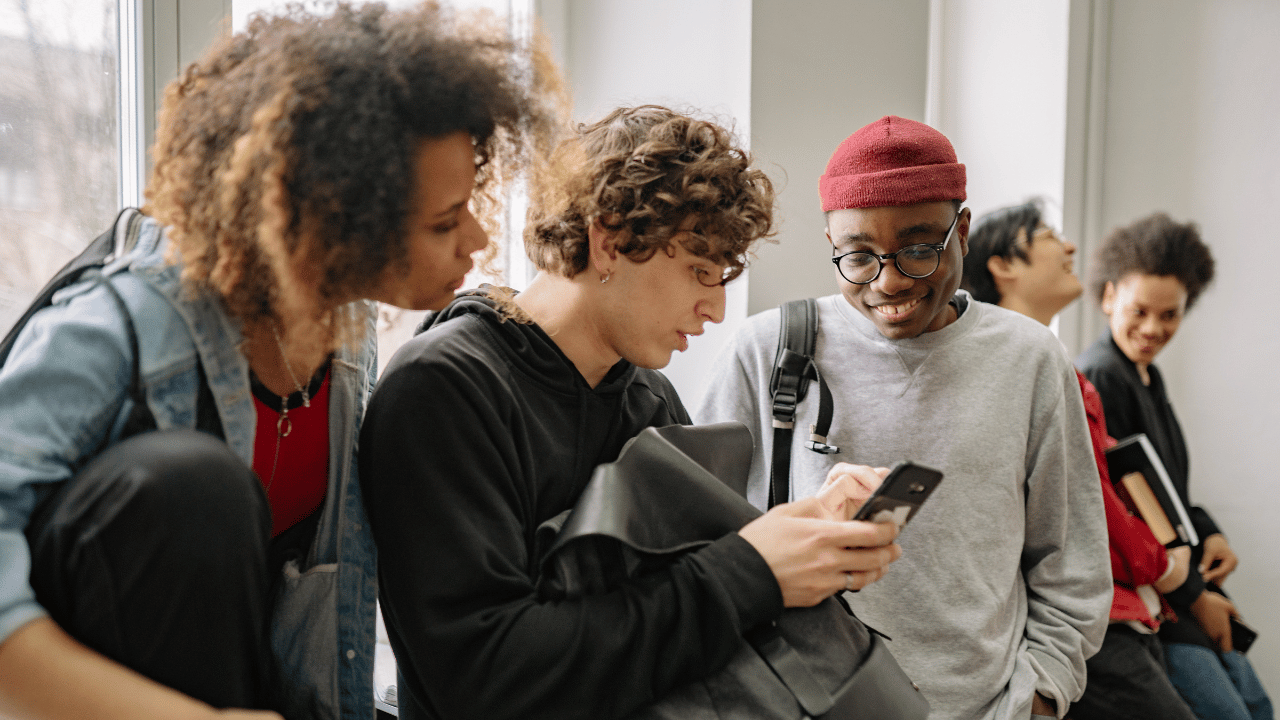
The struggles of traditional roleplay
The problems with traditional roleplay tend to emerge not from the method itself, but from the conditions under which it's typically delivered.
- Experience is inconsistent. Learners' outcomes vary wildly based on the facilitator, partners, and time available, making it hard to ensure intended learning outcomes.
- Psychological safety is compromised. Practising in front of peers causes discomfort; learners either freeze or 'perform,' losing focus on the objective. The highest-need students are the least likely to take risks.
- Scaling is unsustainable. Running meaningful roleplays for large groups is a massive drain on facilitator time, space, and scheduling capacity.
- Feedback is unreliable. Time pressure and facilitator skill mean feedback is often inconsistent, lacking detail, and dependent on chance observation.
- Evidence is hard to capture. It's nearly impossible to accurately track what happens simultaneously across multiple roleplay pairs or compare performance over time.
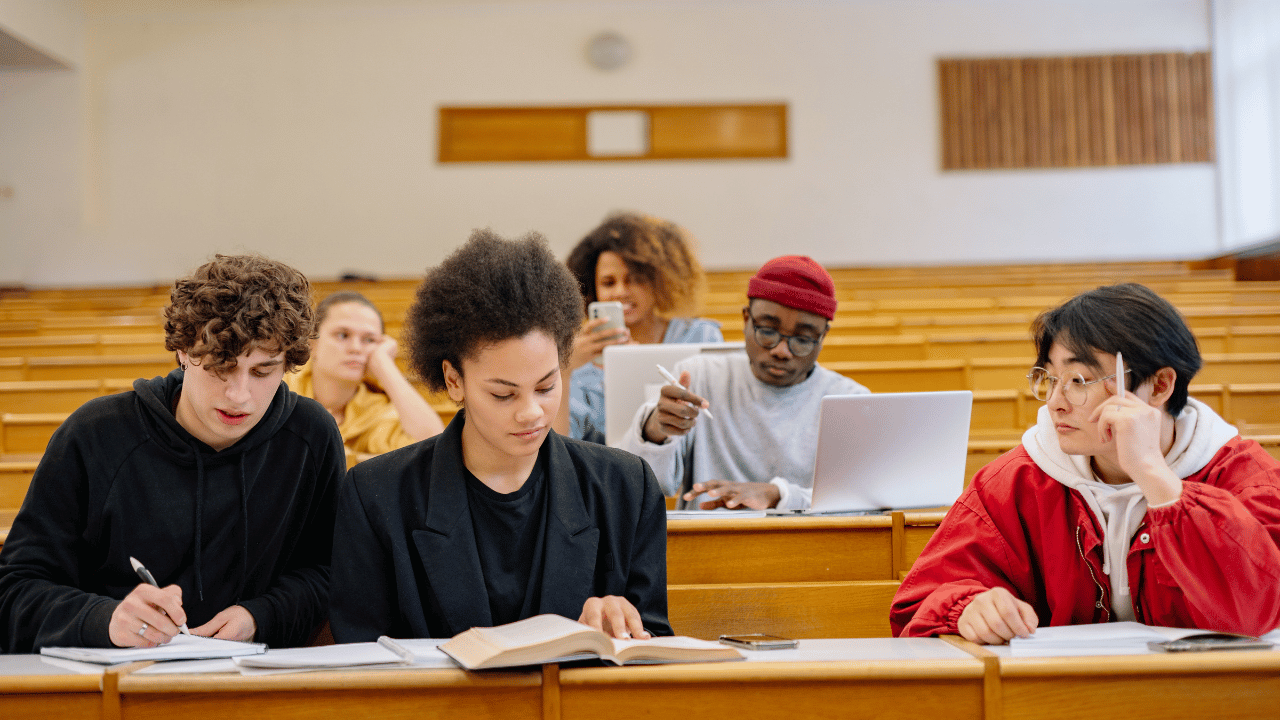
What changes with AI-powered roleplay
Bodyswaps is built around a specific question: how do you give every learner access to high-quality, repeatable, low-stakes soft skills practice — regardless of cohort size, available staff, or hardware?
The answer combines AI-powered conversation with a structured pedagogical framework. Learners aren't just dropped into a simulation. They move through a pathway — preparation, guided practice, and reflection — that mirrors how skills are actually developed, not just tested.
A few things stand out about the AI-powered approach:
- Learners can practise the same scenario as many times as they need, without putting anyone out or taking up facilitator time.
- The AI responds consistently: no good days or bad days, no unconscious bias in how it reacts.
- Feedback is immediate and personalised, generated from the actual interaction rather than a facilitator's impression of it.
- The whole experience is available on VR headsets, desktop, or mobile, so deployment doesn't depend on having the right room or the right equipment.
- Every session generates data: completion rates, confidence ratings, behavioural patterns — structured evidence that educators and institutions can actually use.
Crucially, it's not a replacement for human connection in learning. It's a way to give learners more of the deliberate practice they need before they're ready to apply skills in higher-stakes situations.
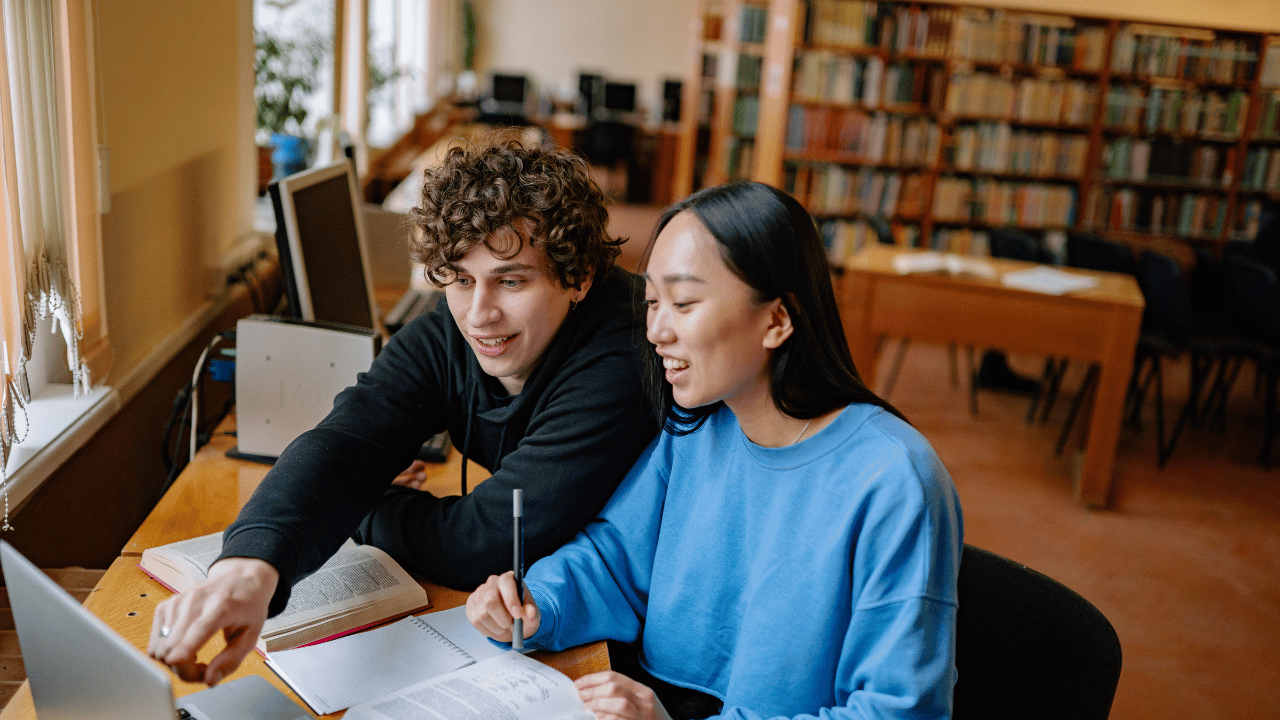
Side by side: how the two approaches compare
|
Traditional Roleplay |
Bodyswaps |
|
|
Consistency |
Varies by facilitator, room, and who you're paired with |
Every learner gets the same scenario, the same feedback framework, every time |
|
Scale |
Needs physical space, trained facilitators, and careful scheduling |
Deploy to hundreds of learners simultaneously — on VR, desktop, or mobile |
|
Psychological safety |
High stakes: peers watching, real people reacting in real time |
A safe space to try, fail, and try again without judgment |
|
Feedback |
Subjective, dependent on facilitator quality and time available |
Immediate, personalised, AI-driven feedback on every interaction |
|
Data & evidence |
Hard to capture and standardise across cohorts |
Analytics at individual, class, and institutional level — built in |
|
Educator time |
Significant: planning, facilitation, debrief, observation |
Reduced: educators author pathways once and reuse them across cohorts |
|
Learner control |
Pace set by the group or facilitator |
Learners repeat scenarios until they feel confident |
Which approach is right for your institution?
Traditional roleplay and AI-powered simulation aren't mutually exclusive. The most effective programmes often use both: AI practice to build confidence and repetition, human facilitation to add nuance and reflection.
Traditional roleplay works well when you have experienced facilitators, small cohorts, and the time and space to run it well. It remains a valuable tool, particularly for final-stage practice or high-touch programmes.
Bodyswaps is built for institutions that need to deliver consistent, evidence-backed soft skills training across large and varied cohorts, without placing the full burden on educator time. Over 300 institutions across employability, healthcare, business, and engineering use it to bring structure, scale, and insight to their soft skills curricula.
Join 300+ institutions already using Bodyswaps to bridge the soft skills gap. Start a 14-day free trial to explore our learning pathways and see how we turn roleplay into measurable learner impact.
