ABOUT THE INSTITUTION
Completely Remote Learning
Purdue Global is Purdue's online university for working adults. Its School of Nursing runs entirely online, from the Master of Science in Nursing through to the Doctor of Nursing Practice (DNP) — a programme accredited by the Commission on Collegiate Nursing Education and built around a practice-focused final project rather than a single closing exam.
The DNP cohort is made up of nurses who are already qualified and already working. Some are transitioning from bedside care into leadership. Others are pursuing an executive or educator track alongside a full clinical caseload. What they have in common is that none of them are new to nursing — and that turned out to matter a great deal for how the programme approached teaching them.
THE CHALLENGE
Where the Students Started
Every DNP student arriving at Purdue Global already knew how to nurse. They could start an IV, read a chart, manage a caseload. What the programme was really being asked to build in them was something else: the ability to lead. Toni Loftus, who chairs the DNP programme, put it simply: this is the group being trained to run projects, negotiate budgets, manage stakeholders and hold their ground in a room, often for the first time in their careers.
Many of these students were coming out of high-pressure clinical settings — level-one trauma centres, acute care, the military. Toni's own background spanned both, and she'd seen first-hand how differently people behaved once a situation turned chaotic. In her account, plenty of nurses handled the routine day-to-day work well, but had never actually been the one expected to take charge — the person others turn to and say, in effect, tell us what we're doing. That was a different skill entirely, and not one that came from years of technical competence alone.
THE PROBLEM
Skilled Nurses, Untested Leaders
The gap the team kept coming back to was communication — not the clinical kind, but the kind that shows up in a difficult family conversation, a disagreement with a colleague, or a high-stakes update nobody wants to hear. Kimberly Burtch, who coordinates immersive learning for the graduate programme, said this was consistently the feedback coming back from hospitals themselves: any hospital could teach a nurse a practical, technical skill like starting an IV, but the conversational nuance that sits around patient care was much harder to teach and rarely covered.
That gap showed up most sharply in exactly the moments a paper assignment or discussion board couldn't test. Jessica Manning, who leads sharing the vision for immersive learning for the School of Nursing, had watched this pattern for years in her own teaching — students could write a flawless answer describing how they'd handle a tense conversation, but the real test only arrived once they were actually standing in the room, with the emotions and time pressure that come with it.
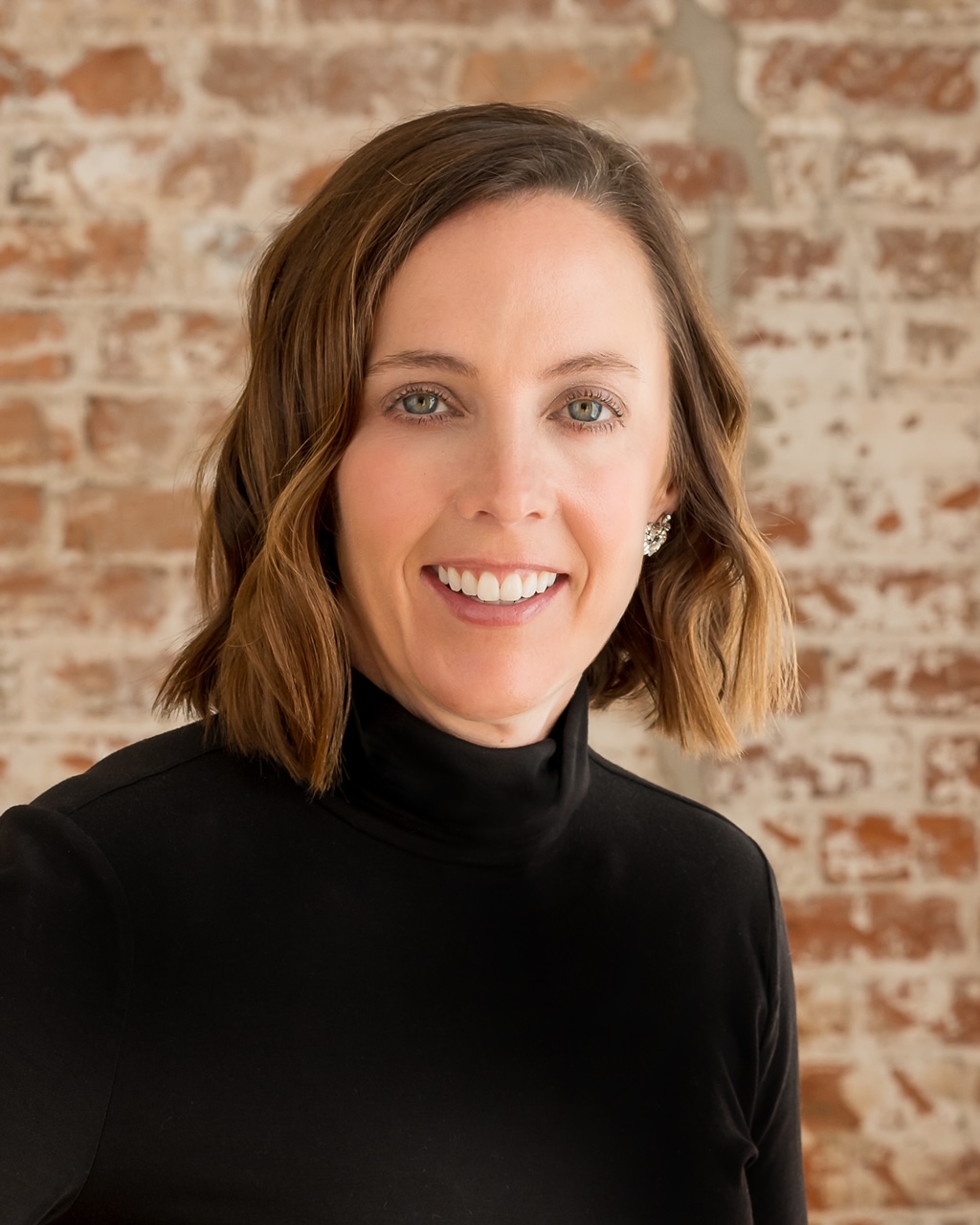
— Jessica Manning, Senior Manager of Immersive Learning, School of Nursing
Being experienced nurses rather than first-year undergraduates cut both ways. On one hand, DNP students arrived with real clinical judgement and a caseload of lived experience to draw on.
On the other, that same experience bred a kind of overconfidence undergraduates didn't have. Kimberly described postgraduate students as often carrying assumptions from years of clinical practice — a sense of already knowing how to handle a given situation — which meant they were sometimes harder to teach than a first-year student with no fixed ideas to unlearn.
There was also a generational layer specific to newer nurses entering the programme: Toni noted that many younger nurses had grown up communicating almost entirely by text, and struggled with the kind of live, unscripted conversation that leadership actually demands.
What Educators Had Tried Before
None of this was a new observation for the team. Jessica had spent years running high-fidelity simulation earlier in her career — playing the anxious family member herself, walking students through the psychosocial and communication side of nursing face to face. It worked, but it depended entirely on her being physically present in the room, and it didn't scale once she moved into a leadership role overseeing immersive learning more broadly.
At the DNP level specifically, the standard toolkit was papers, discussion boards and live seminars. Toni described the limits of that approach candidly: seminars folded into a lecture format that not every student could attend live, and the ones who missed it simply watched a recording afterwards — meaning they never got the live interaction the seminar was meant to provide in the first place.
The programme's DNP project process also ran on a cohort model that Toni had recognised as unsustainable well before Bodyswaps arrived, since only full-time faculty could teach it and the format didn't stretch to match the programme's growth.
What none of these methods offered was a way for students to practise a live, high-stakes conversation and then actually see how they'd come across — the kind of feedback a written assignment simply can't produce.
THE SOLUTION
How Bodyswaps Helps
Purdue Global wasn't new to virtual reality when Bodyswaps came into view. The School of Nursing had used VR across its curriculum for years already, and its earlier work is referenced by Meta as a case study in VR deployment in higher education.
That history came with real lessons learned the hard way — Kimberly had previously worked with an early-stage VR startup before joining the team, and had seen up close what a rollout looked like when the technology and the support behind it weren't yet mature.
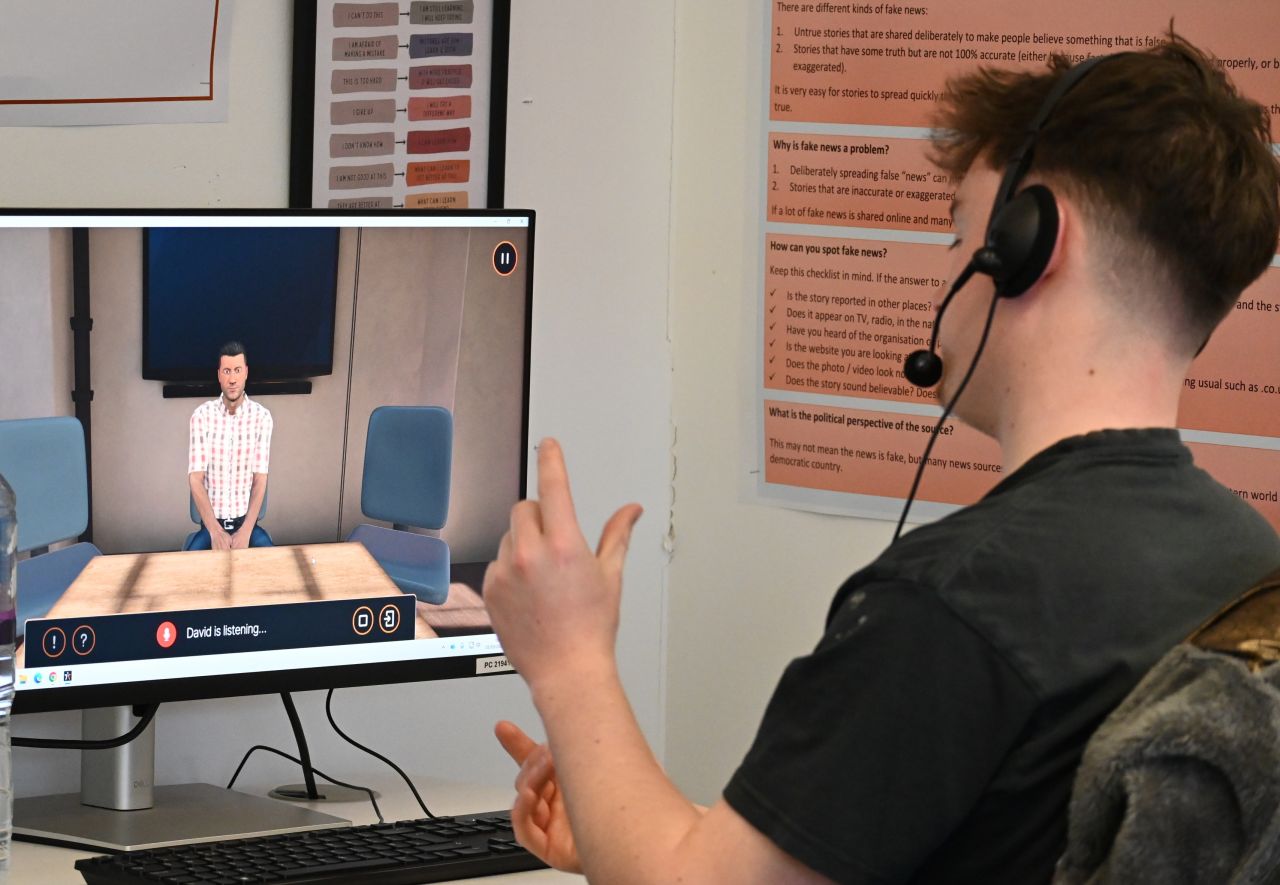
What distinguished Bodyswaps for the team, once they found it, was the combination of realistic practice and honest self-review. Kimberly pointed to the ability for a student to watch their own performance back and evaluate themselves from the outside, rather than simply completing a scenario and moving on. Toni framed the appeal in similar terms, but focused on what the format removed rather than what it added: a private space to get something wrong without an audience.
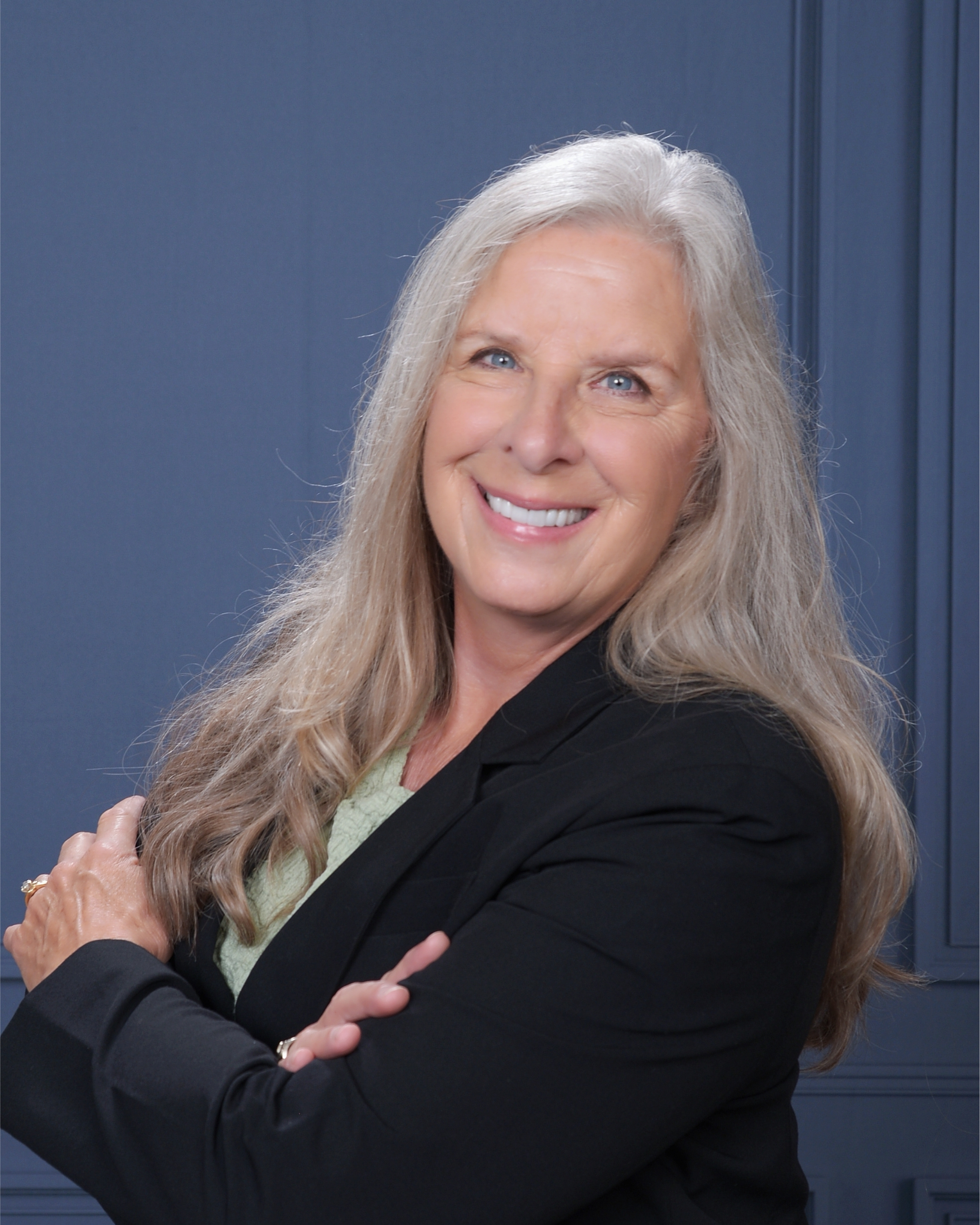
Kimberly also saw Bodyswaps as a rare kind of assessment in an age of generative AI — one a student genuinely couldn't outsource. She pointed out that a student could ask a chatbot to write a flawless paper on handling conflict, but couldn't ask it to have the conversation for them in the moment. Toni agreed, adding that facing a live scenario forced a student to actually be present and learning, in a way a written assignment no longer guaranteed.
Getting Bodyswaps in front of the curriculum wasn't an instant win with every instructor. Toni was candid that her own faculty were sceptical to start with, and that it had taken active persuasion to bring them round — until the case for it became, in her words, too critical and too beneficial to turn down.
Kimberly, watching from outside the DNP programme itself, described watching that scepticism shift once faculty could see the product against their own course content and recognise how it built on what they were already teaching, rather than replacing it.
- Reflective practice: Every scenario is paired with a journal entry, which the team set up specifically to capture what a student noticed about their own performance — what they felt they did right, and what the actual takeaway was.
- Leading through conflict and difficult conversations: This sits at the centre of the DNP track, where students are being prepared to lead change, navigate conflict, communicate with stakeholders, negotiate and take part in budgetary discussions — the everyday reality of running a DNP project.
- Presenting the DNP project: Kimberly saw the final project presentation as a natural fit, allowing students to practise fielding unexpected follow-up questions. Toni noted that this helps students move past the nerves that often mask the confidence their work actually earns.
- Correcting overconfidence: Because postgraduate students often arrived carrying assumptions from their own clinical experience, Kimberly saw real value in a tool that could gently show them where those assumptions didn't hold up — a reminder, as she put it, that there was always more to learn as a practitioner, no matter how many years someone had already put in.
What's Next for Purdue Global's Students
Bodyswaps launches for a deliberately small cohort of DNP students in November 2026, under the outgoing course catalogue. A larger cohort follows once the incoming catalogue takes effect for students enrolling after September.
Where it sits in the course calendar was a deliberate decision rather than an afterthought. Toni explained that scenarios were placed away from major assignment weeks, so students had the space to actually engage with them rather than treating them as one more task competing for attention. Each completed scenario carries 12 clinical hours, and with most courses built around three scenarios, a student could earn up to 36 hours of clinical credit through Bodyswaps alone — hours earned through a realistic, reflective exercise rather than, as Toni put it, another lengthy literature review.
- Worked in higher education since 2008
- Moved from bedside OB nursing into simulation and immersive learning
- Maintains an adjunct faculty role alongside her immersive learning leadership
- Part of a School of Nursing team referenced by Meta as a case study in VR deployment in higher education
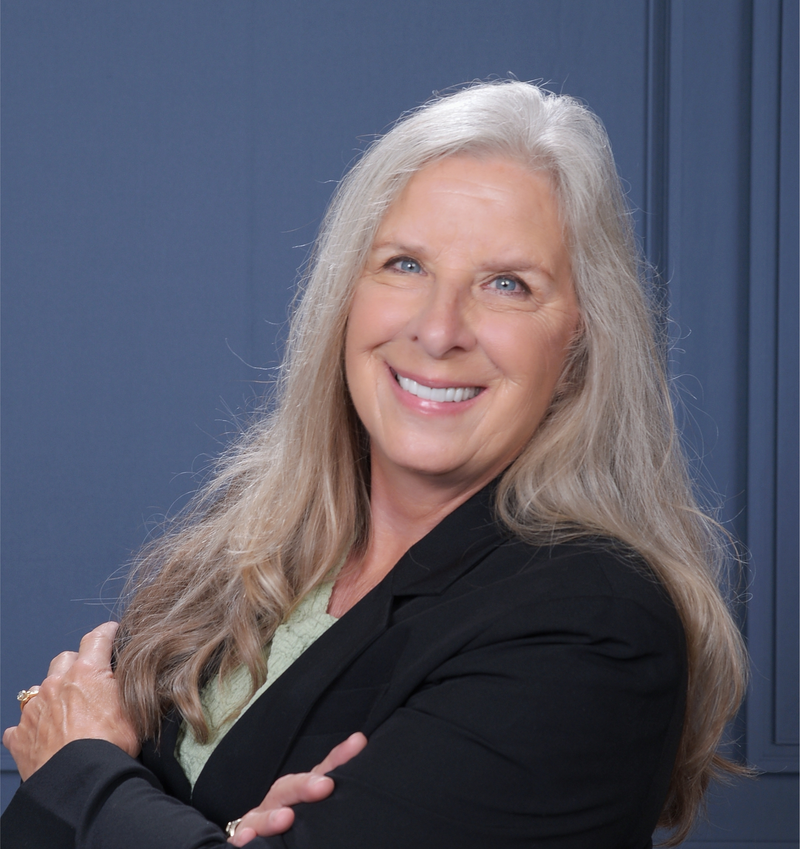
- Also oversees the MSN Nurse Executive Leader and Nurse Educator tracks, plus the dual-degree MSN/MBA and MSN/MHA programmes
- Background spans a level-one trauma centre and the US Army before moving into education
- With Purdue Global since 2019; took over as DNP chair around 18 months ago
- Holds an MHA, an MBA and an MSN
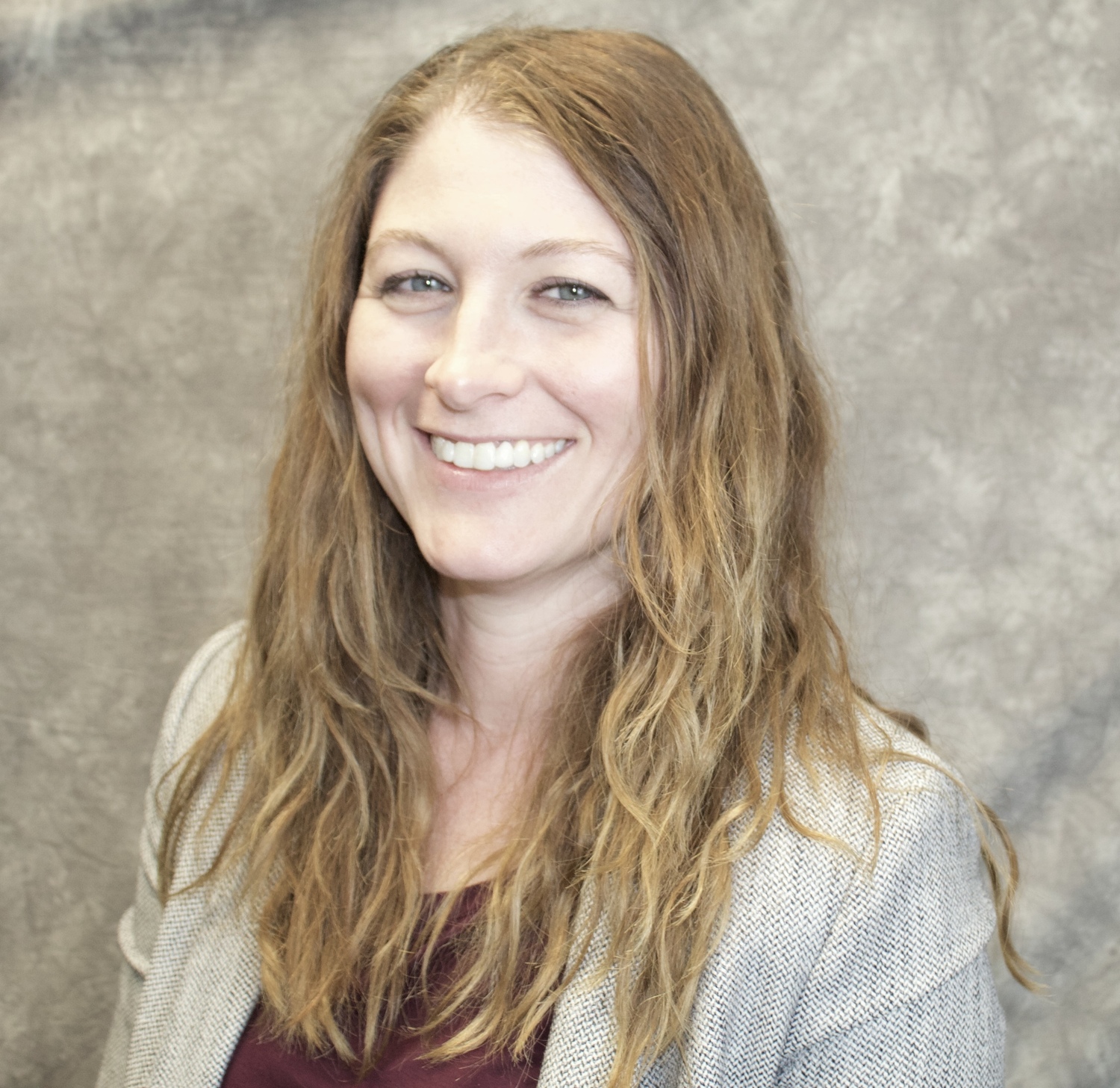
- Practising family nurse practitioner alongside her teaching role, holding a DNP
- Background spans clinical instruction, pediatrics and graduate-level teaching at a traditional four-year nursing school
- Also works with VR simulation in the MSN programme
- Previously worked with an early-stage VR startup before joining Purdue Global's immersive learning team